How to Choose the Perfect Kitchen Floor
If there is one floor in the house that has to endure plenty of abuse is the kitchen floor. Having to cope with tomato sauce, muddy boots, water, temperature and humidity changes and everything else you can think of – and having to so while looking good – is not an easy feat. So it is no surprise that choosing a floor that matches your design ideas as well as your lifestyle is crucial. Thankfully there are plenty of choices, from beautiful stone to wood, tiles to concrete, the possibilities are endless. As with everything in life, every choice will come with some benefits and some disadvantages. Here we will share some information and tips that will help you choose the right floor for your kitchen.
Do take into consideration how the floor will be used. Will your kitchen be an area of heavy traffic and some serious footfall or will it be a quite space only used by a couple of people? Do you want flooring that will look pristine all the time or are you looking at something with some character and some imperfections? Will you be cleaning it and polishing it on weekly basis or do you want something you can just mop and go?
When renovating your kitchen, it will be wise to make your flooring choice early in the game. Will wide wooden floor boards or small porcelain tiles provide you with grout lines that work best with your plinths? How will your units sit on this flooring? How does the floor work with other textures in walls and units?
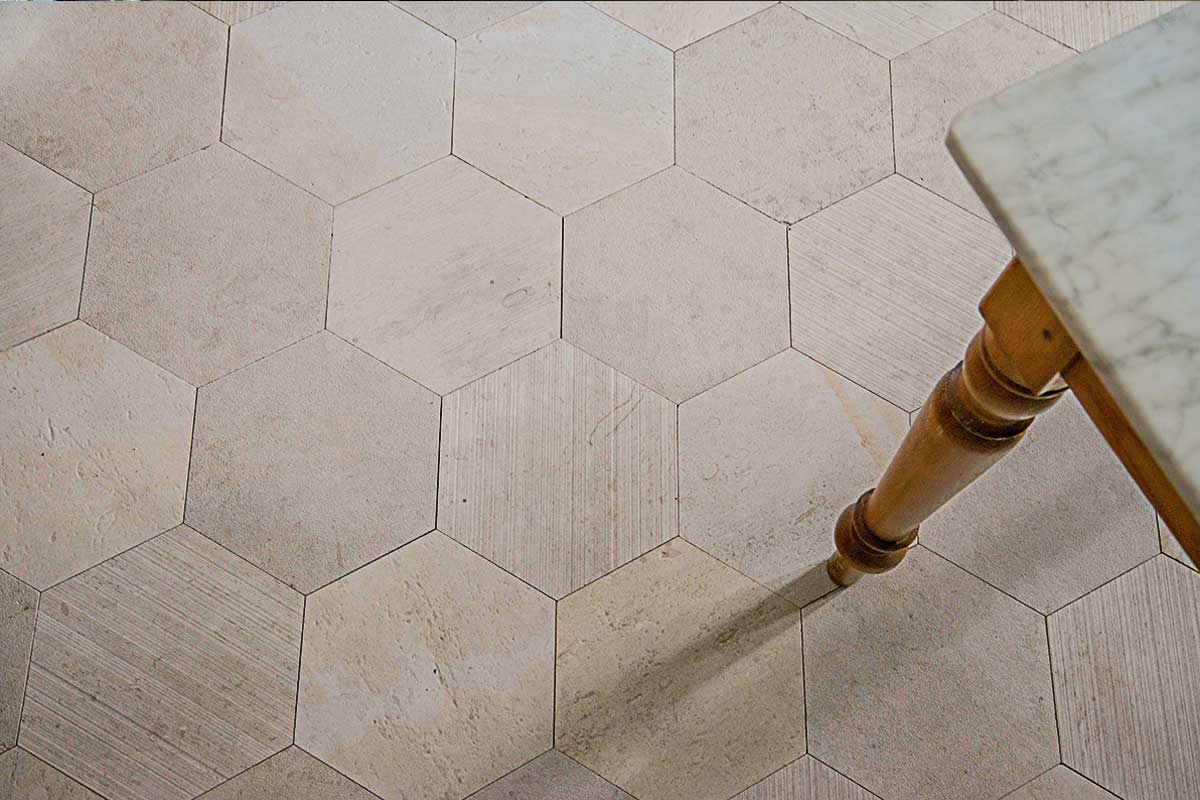
Stone
Stone floors are beautiful and timeless. As each slab is unique and imperfect, they will add texture, tone and depth to a room. There is also a great variety of options including slate, marble and granite; each with their unique pros and cons so make sure to speak with your supplier or contractor before making a decision. Stone floors will provide you with an incredible wow factor, they are robust and durable and work well with underfloor heating. On the downside, stone floors can be unforgiving on your feet when standing on them for extended periods of time. Without underfloor heating, they can be cold and they can also be scratched. As their surface is uneven, they can potentially harbour bacteria. When thinking of choosing a stone floor, make sure that it is installed on a perfectly level base and be aware that these cannot be installed on a floating floor.
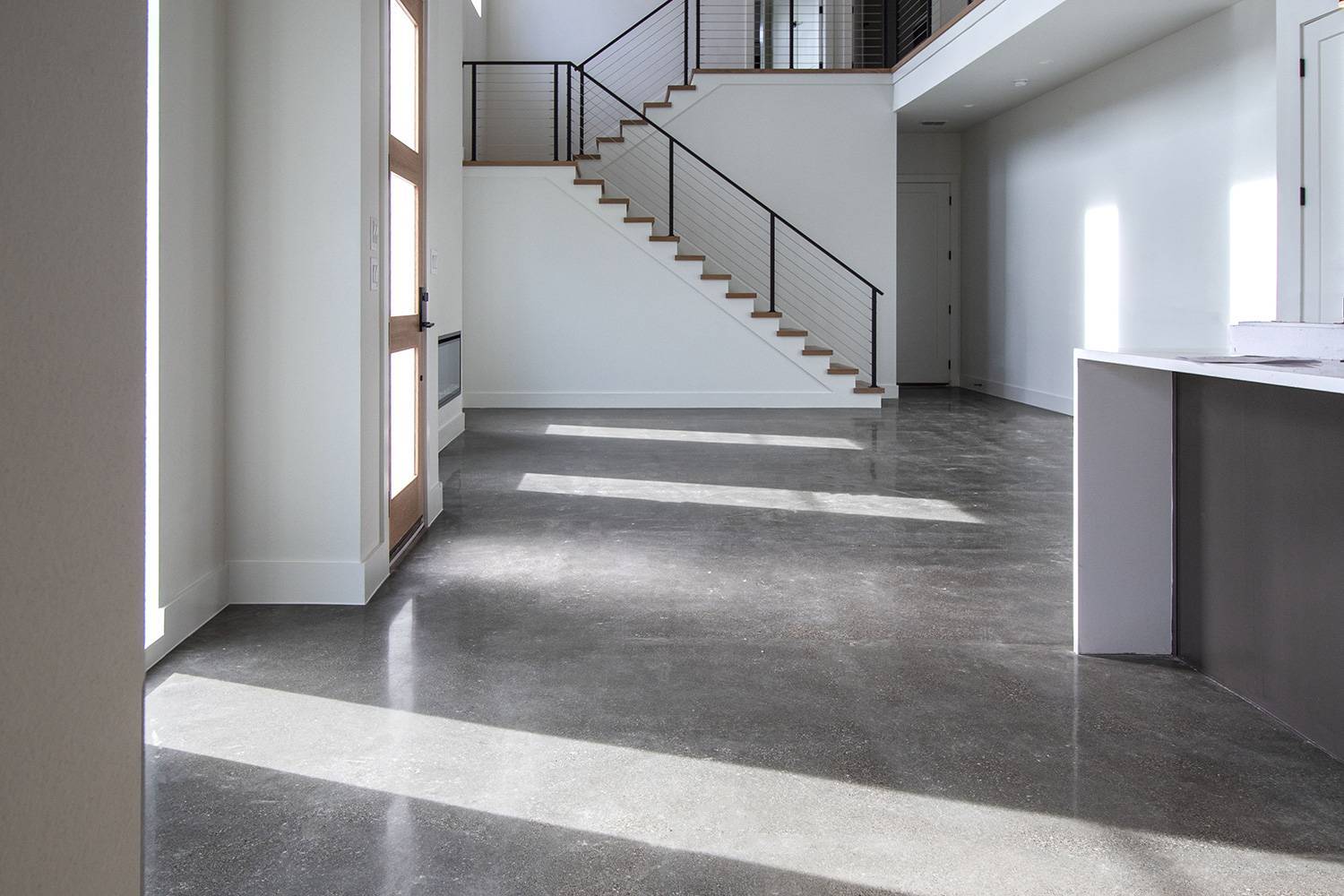
Polished Concrete
Polished concrete floors are trendy and can look amazing when done right. If you are going for the industrial look, this is the floor for you. A word of advice – do not try to lay it on the cheap, this flooring option is easy to mess up if the installer does not know what he’s doing. This is a hard-wearing long-lasting option. It also has great thermal qualities as a concrete floor will absorb heat throughout the day and release it at night and it can be poured onto an existing floor even if the base floor is not totally levelled. Concrete floors can be created in a variety of colours, are easy to clean, will not harbour bacteria and work well with underfloor heating. Unfortunately, they can also crack or be chipped (though you really would have to work hard at it) and are not forgiving on our feet when standing on them for a long time. They can also be slippery unless you apply a matt sealer.
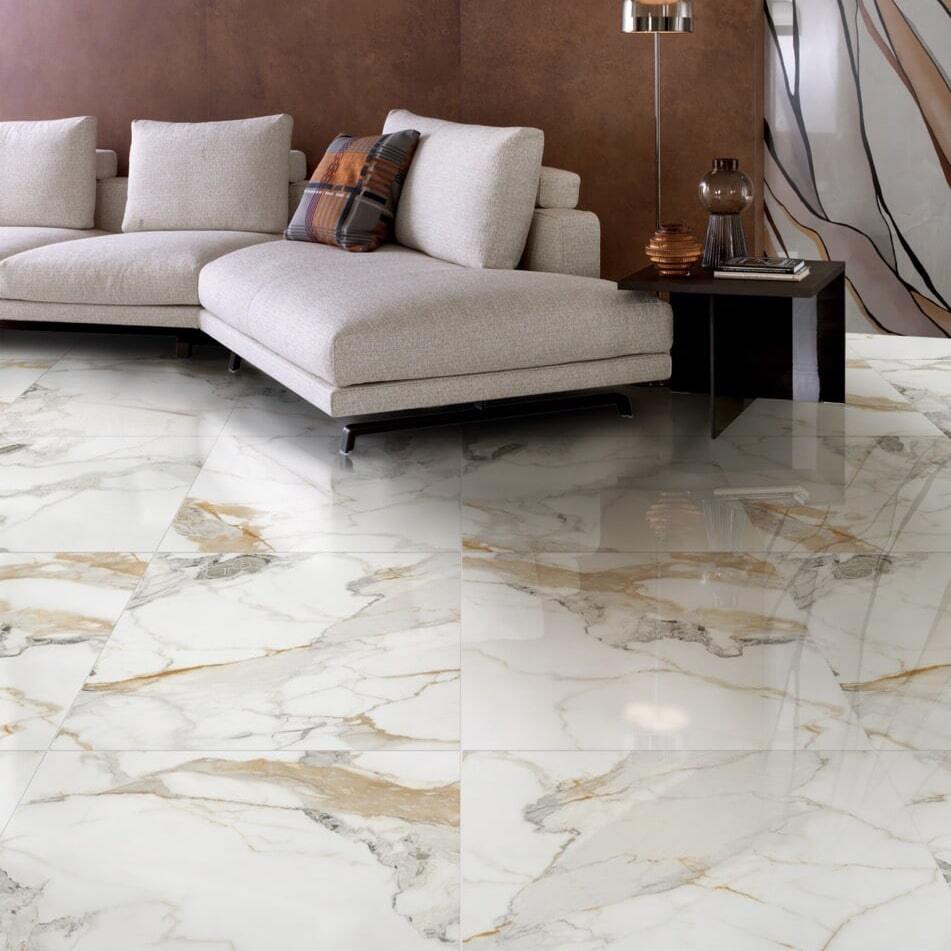
Porcelain Tiles
This option is great for those who want a maintenance free floor. They are extremely hard-wearing, resistant to impact and can be made to resemble surfaces such as wood, concrete or even leather. Porcelain floors are incredibly hygienic and can be washed with ease. It is also a good choice if you want to instal underfloor heating. However, there is a definite look to these tiles and should they chip, you will not be able to repair them. Porcelain tiles can, like other materials, be hard on your feet when standing on it for a long time and can be cold if there is no underground heating.
Ceramic Tiles
These are a budget friendly option to porcelain tiles. They come in a huge range of shapes, sizes, textures and colours and can also mimic other materials such as wood. They are also hygienic, easy to care for and can be used with underground heating. They are not as resistant as their porcelain cousins and they can crack if not laid on top of a solid flat floor. Once chipped the damage is obvious as colour usually does not go all the way through.
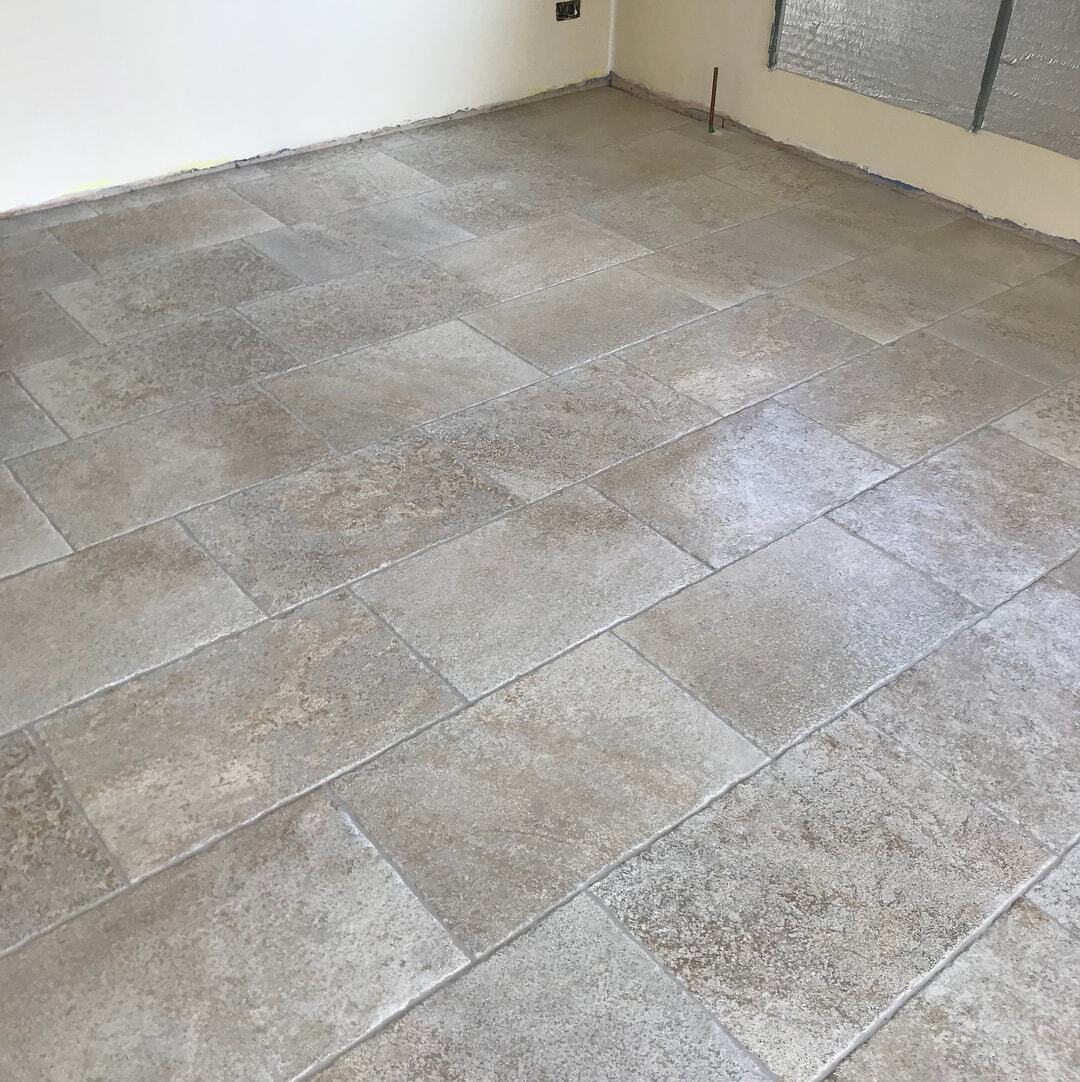
Solid Wood Floors
When it comes to floors wood is a timeless classic. It is extremely versatile and can look contemporary or traditional and comes in a myriad of shades, grains and shapes. Wood is very forgiving on your feet and has some give. It is warm to the touch, renewable, recyclable, beautiful and long-lasting. It can also be sanded when needed to revive it and it can be stained in many colours. Unfortunately, real wood floors also have some cons that you need to consider. Solid wood boards for example tend to move, especially in humid environments or when it has to be mopped constantly. If you want to install wooden floors, you will need a subfloor which comes at a price. It can be noisy and if not treated with some degree of care, it can scratch or stain. It will also show wear and tear in areas of high traffic, like in front of the hob or sink. It is not recommended to use underfloor heating with this material.

Engineered Wood Floors
These are made from two lengths of wood veneer that sandwich a layer of birch ply. Engineered wood has the look of real wood with some added stability. Engineered wood boards don’t expand or contract and work well with underfloor heating unlike solid wood. This type of floor is better adapted to mopping and if you use a good quality material, it can be sanded to refreshen them. It is also a greener alternative to solid wood as it utilises less hardwood. On the negative side, they lack some of the personality of hardwood floors, it can be scratched or stained and just like solid wood, it can be noisy.
Laminates
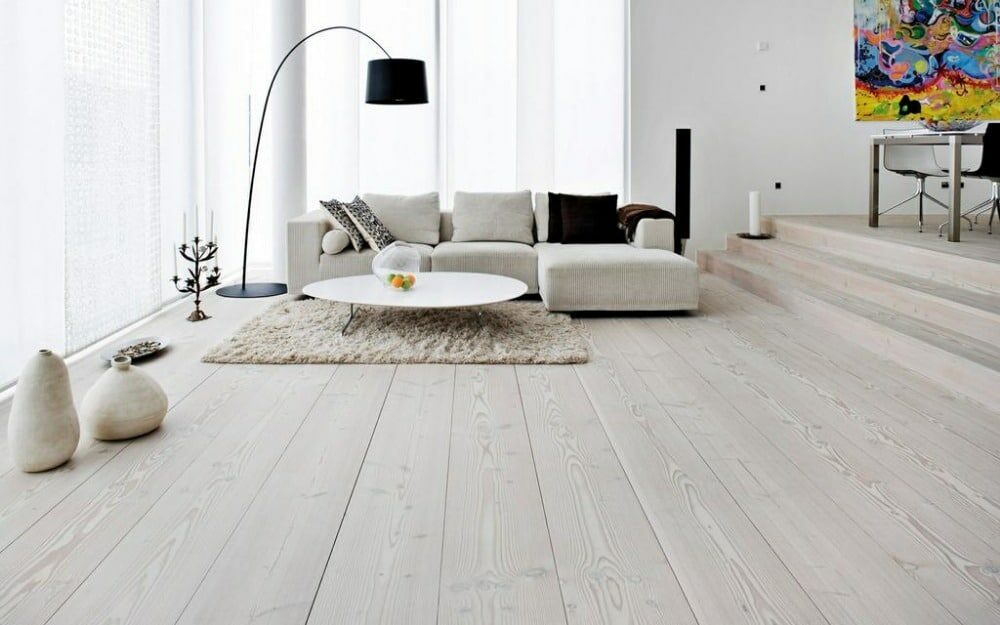
If you choose a laminate flooring, we recommend you go for the higher quality variety to get a floor that is tough, and resistant to wear, stains and fading. Laminates provide a wide variety of looks from wood to ceramic tiles or slate. They are covered in a ‘wear’ layer that is quite tough, making it difficult to scratch. Underneath this ‘wear’ layer you will have a high definition image which can be of anything from wood to stone. Laminates are reasonably priced, are of low maintenance and humidity resistant and can be installed over an existing floor. They do however need an under-layer. Make sure you ask your provider if the underlayer is attached to the laminate or if you need to install it separately. Once this floor is scratched it is impossible to repair and not all laminates will work well with underfloor heating.

Resins
Poured resins are a trendy choice for kitchen flooring. This material can be easily revived by sanding it and applying a couple of coats of sealer and it will be like new. If you fancy changing its colour, it is as simple as choosing a different colour of sealant. It comes in a variety of finishes and it can be poured over the whole kitchen floor giving you a seamless finish. It is warm and waterproof, easy to clean and hypoallergenic. It can also be cleaned with great ease by just using soap and water and works really well with underground heating. On the negative side, once damaged you will have to sand and reapply a few sealant coats if you wish to achieve a perfect look as repairing only the damaged area will provide you with a noticeable ‘scar’.

Linoleum
Linoleum is relatively warm underfoot and quite forgiving. It’s available in lots of colours, easy to clean with soapy water and is great for allergy sufferers as it doesn’t harbour dust mites. It’s also suitable for underfloor heating and can be laid over an existing floor. It also has the added bonus that it is a relatively green option. This material is available in a variety of designs and colours and can come in tiles or sheets. A sheet however will have no joins which means the surface will be waterproof and provide you a better look. This material must be cleaned, sealed and left to dry thoroughly. If not sealed properly the surface will be rough and it will be difficult to clean. It is difficult to cut and lay so make sure that it is installed by professionals.
Rubber
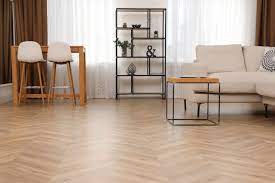
This modern material is durable and provides a sense of warmth giving you a softer option to concrete if you are planning to achieve an industrial look. As other material, this one comes in tiles or larger sheets, the later giving you the option of creating a neater finish and is by nature more resilient. Rubber provides you with a number of textures but if you are looking for an option that is easy to clean, we suggest you choose a flat design. Rubber is strong and hard-wearing, is gentle on your feet and crockery and is easy to clean. Some polished rubber can be slippery and sharp edges or heavy objects dropped on it can dent it. It also has a tendency to fade over time when exposed to strong sunlight. It requires a very smooth sub-floor to be installed and not all of them work with underground heating so check with your supplier before purchasing.

Cork
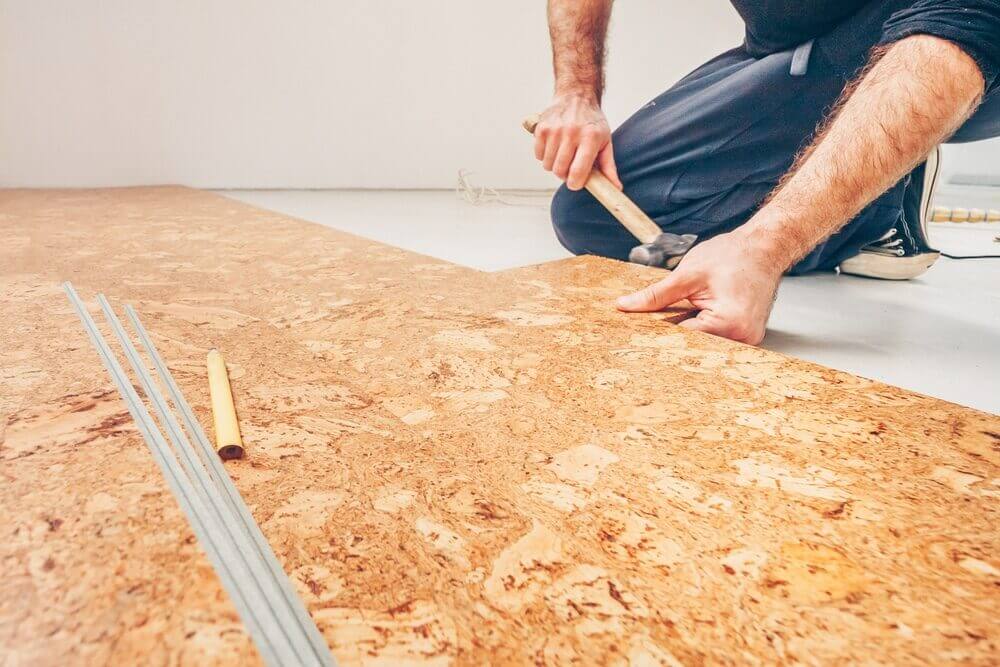
This material is super eco-friendly. It is warm and has a bounce to it, making it friendly towards your feet, dropped plates or falling children. It is also a great sound insulator. Originally you would only find this material in its classic tan format but today there is a variety of designs and finishes. It is naturally anti-bacterial, resistant to mould and mildew, non-slip and fire-retardant. As if that wasn’t enough, it is easy to clean and can be sanded an resealed to be revived. Unfortunately it is not the hardest-wearing of all materials and heavy furniture can leave an imprint. Sunlight can also fade it and it is easily scratched. Lastly, if you leave spill on it for long periods it will be damaged.
There are plenty other choices – vinyl, brick, parquet and bamboo just to name a few. All will have pros and cons. Non the less, what is important is to realise that there are always options fit for purpose and budget. At Dominant Construction