7 Tips For Your Loft Extension Project
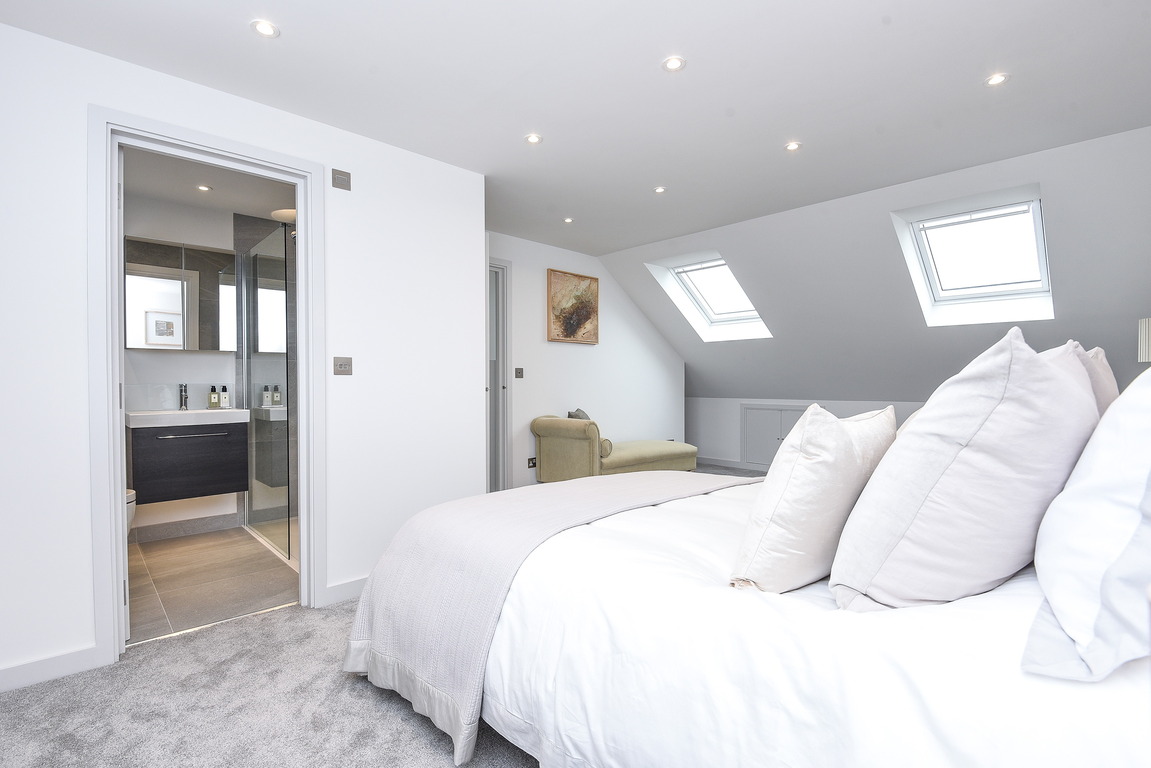
Are you thinking of extending your home into your loft to add more space and value? In this post, we will give you some pointers on where to begin. From design to planning rules to how to handle any potential issues with your neighbours.
At Dominant constructions we have designed and constructed dozens of loft extensions in Hammersmith, Fulham and all over London. Thanks to our twelve years of experience, we were able to put together a list of the top tips on how to go about extending your home into your loft.
Extending your home into your loft can be a great way to increase the value of your home. An extension that is done properly can add up to 20% of value to your property. It is also a great way to add additional living space to the home you love and a loft extension is usually less disruptive than other types of home extensions. Keep in mind that if you want to see a return on your investment you must make sure you take into consideration what the top value of properties with similar work done will achieve in your area and budget your project accordingly.
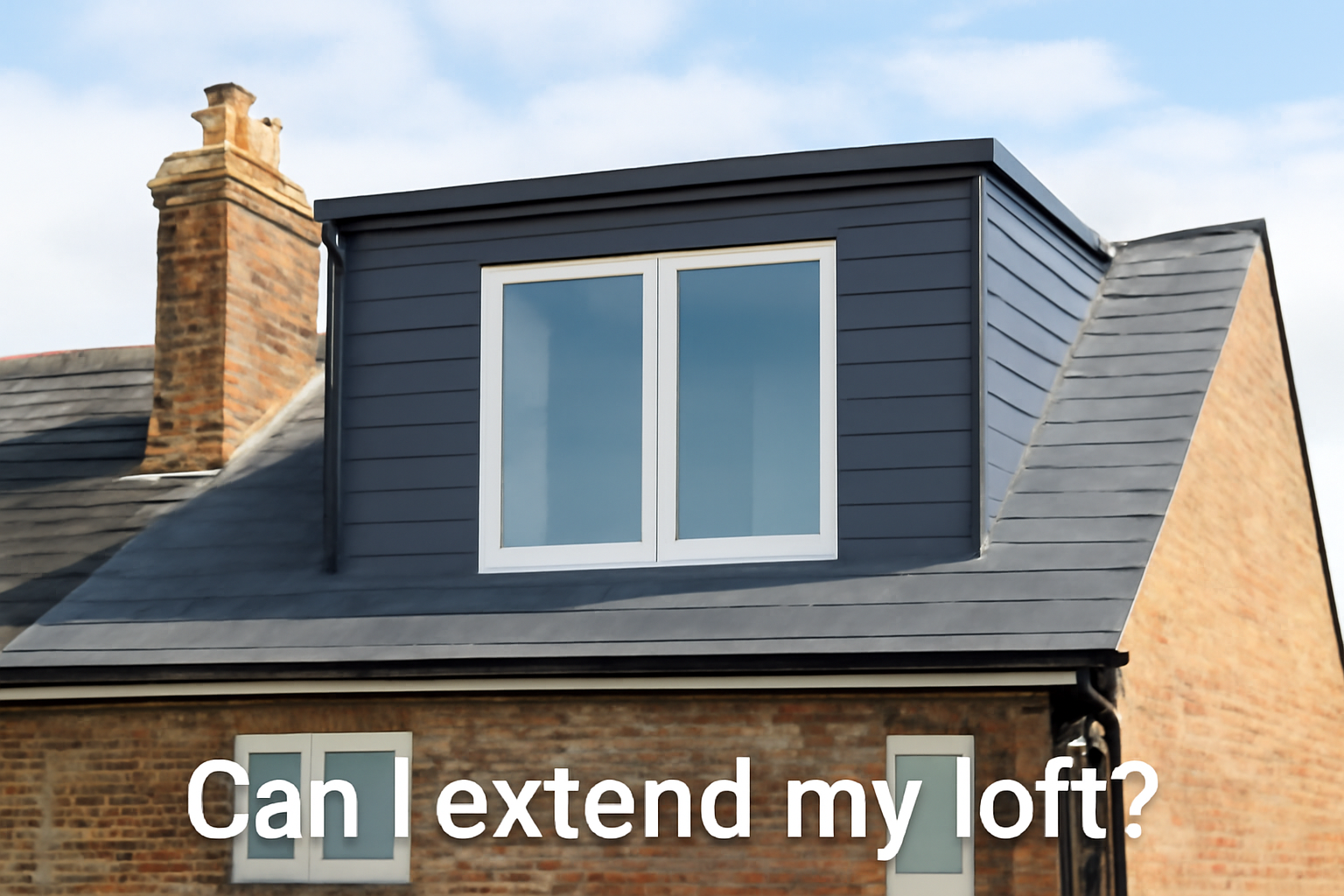
Can I Extend Into My Loft?
This would be the first question you would want to answer. To be able to extend into your loft, you must consider it’s internal height. A loft must be at least 2.5 m high to be a viable space to extend into. As well, consider your roof pitch. The higher the pitch angle, the higher the central head height will be. And lastly, think of the footprint. A viable space for a loft conversion should be at least around 40 sqm to make it a usable living space.
How Will I Use My New Space?
Make sure that the space you are creating is suitable for the function you have in mind. Think of head space for example. You may have angled ceilings which restrict movement. For example, if you are planning to add a shower room to your loft conversion, will it be positioned in a space with enough headroom to stand in? As well, think of how to maximise the space you do have, like building storage in the eaves. Think where you will be able to place furniture realistically and how this furniture is used – a sofa will not sit flushed to the wall in the eaves space.
Is A Loft Conversion A DIY project?
Unless you have loads of building experience, we would advise against it. A loft conversion is a complex project and it will require to abide by Building Regulations. If you are convinced this is something you can do yourself you might consider professional advice on the trickier aspects of it. As it is a major project though, most people choose to higher professionals, such as Dominant Construction, to carry out the work.
Who Should I Use?
You have a few options when it comes to carrying out the work and which one you chose will depend on the complexity of the project and your budget.
You may appoint an architect who will prepare the necessary drawings and designs for you, help you obtain the necessary approvals and liaise with an experienced contractor to carry out the work. They will can also handle the project management for you.
You could also consider appointing a specialist loft conversion company such as ourselves. Companies like us offer a one-stop shop for loft conversions. They may have an internal design department or an architect with whom they work closely, manage all the necessary approvals for you and take care of the project management internally to ensure that your vision becomes a reality with ease.
If you are on a tighter budget, you may consider an experienced builder. They may be able to provide a similar service to a specialist company though this may take longer and you might have to undertake some or all of the project management yourself.
As with many things nowadays, you can begin your search online to find the right option for you. You should also consider asking friends and family for recommendations.
Do I Need Planning Permission And Building Regulations?
Planning permission is usually not necessary unless you are extending the roof space or exceed specified limits e.g. any dormer is higher than the current highest part of the roof or you live within a conservation area. However, it is always wise to check the permitted development guidelines in your area.
Building Regulations however will apply to loft conversions to ensure that the project is safe to execute. For example making sure that the new floor is structurally sound or that the stairs leading to the new space are up to code. There are also fire safety regulations to think about.
Will I Need A Party Wall Agreement?
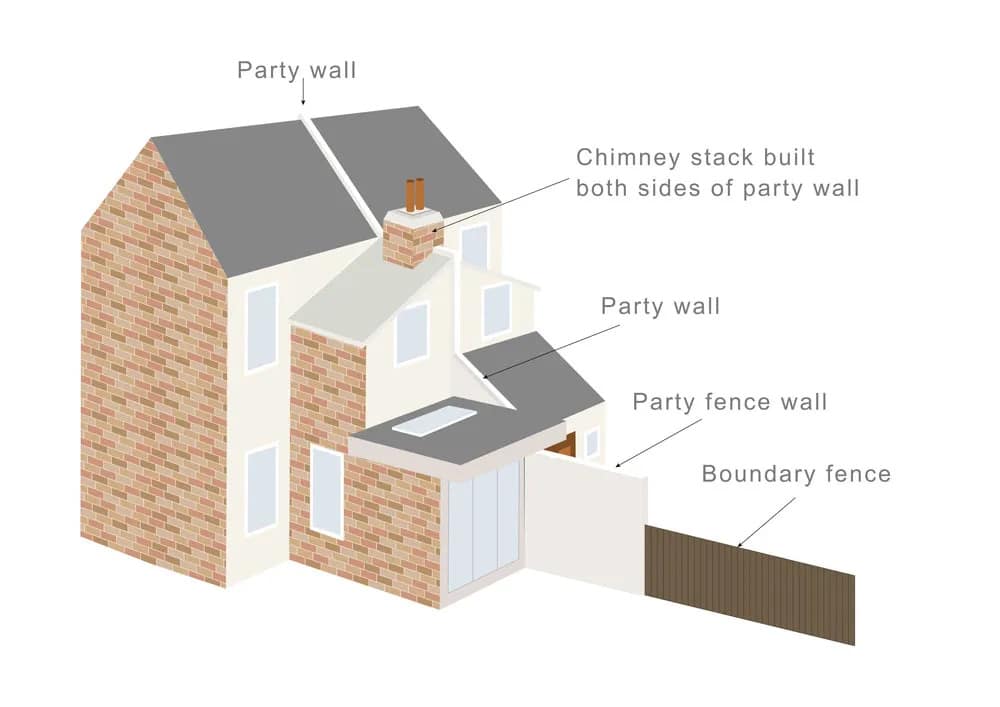
If your property is detached then no. However if you live in a top floor flat or in a terraced or semi-detached house, then you are likely to need it. This is because the changes you will be making may involve shared walls, chimneys and roofs and the work could damage the adjoining property.

What Other Things Must I Consider?
Stairs. Creating new stairs that lead to your new space can be tricky. There are rules and regulations to abide by such as a minimum two-meter head clearance under and above the stairs.
Plumbing. If you are planning to add a toilet or bathroom to this space you will need to consider plumbing. You would be potentially adding onto your existing system and it might prove that the system needs to be change or upgraded to support an additional bathroom.
Insulation. Insulation in your home may need to be improved in order for your project to be given a green light. Building control are likely to inspect this to make sure it is up to standards and that energy-saving measures are at a maximum.
Insurance. Always let your insurer know that you will be carrying out work for a loft conversion. This is because you will be making your home more vulnerable to the elements and your chances of having to make a claim increase. As well, once the work is finished, the value of your home will change and this may affect your current policy.